
When we think about children in residential care, we often focus on the big things, but sometimes, it’s the everyday experiences that quietly shape a child’s future in the most powerful ways. One of those is their relationship with food.
Food is never just about eating. It’s about comfort, routine, identity, control, culture, and connection. For children in residential care, who may have experienced instability, neglect, or trauma, food can carry a lot of complicated meaning. That’s why supporting a healthy relationship with food is an essential part of effective key working.
For some children, food may have been scarce or unpredictable in the past. They might hoard snacks, eat very quickly, or feel anxious about when their next meal is coming. Others may have used food as a coping mechanism, turning to it for comfort during stressful or emotional times. Some children may struggle with control, using their relationship with food to express feelings they don’t yet have the words for.
In a residential care setting, there’s a real opportunity to gently reshape these experiences. Regular mealtimes can provide a sense of safety and predictability. Sitting down together can help build trust and create a feeling of belonging. It’s not what’s on the plate, it’s about who’s around the table and how that time feels.
Giving children some choice is important too. Something as small as letting them pick between two meals, helping with food shopping, or getting involved in cooking can make a big difference. It gives them a sense of control and helps rebuild trust around food. Plus, learning basic cooking skills is a life skill they’ll carry with them long after they leave our care.
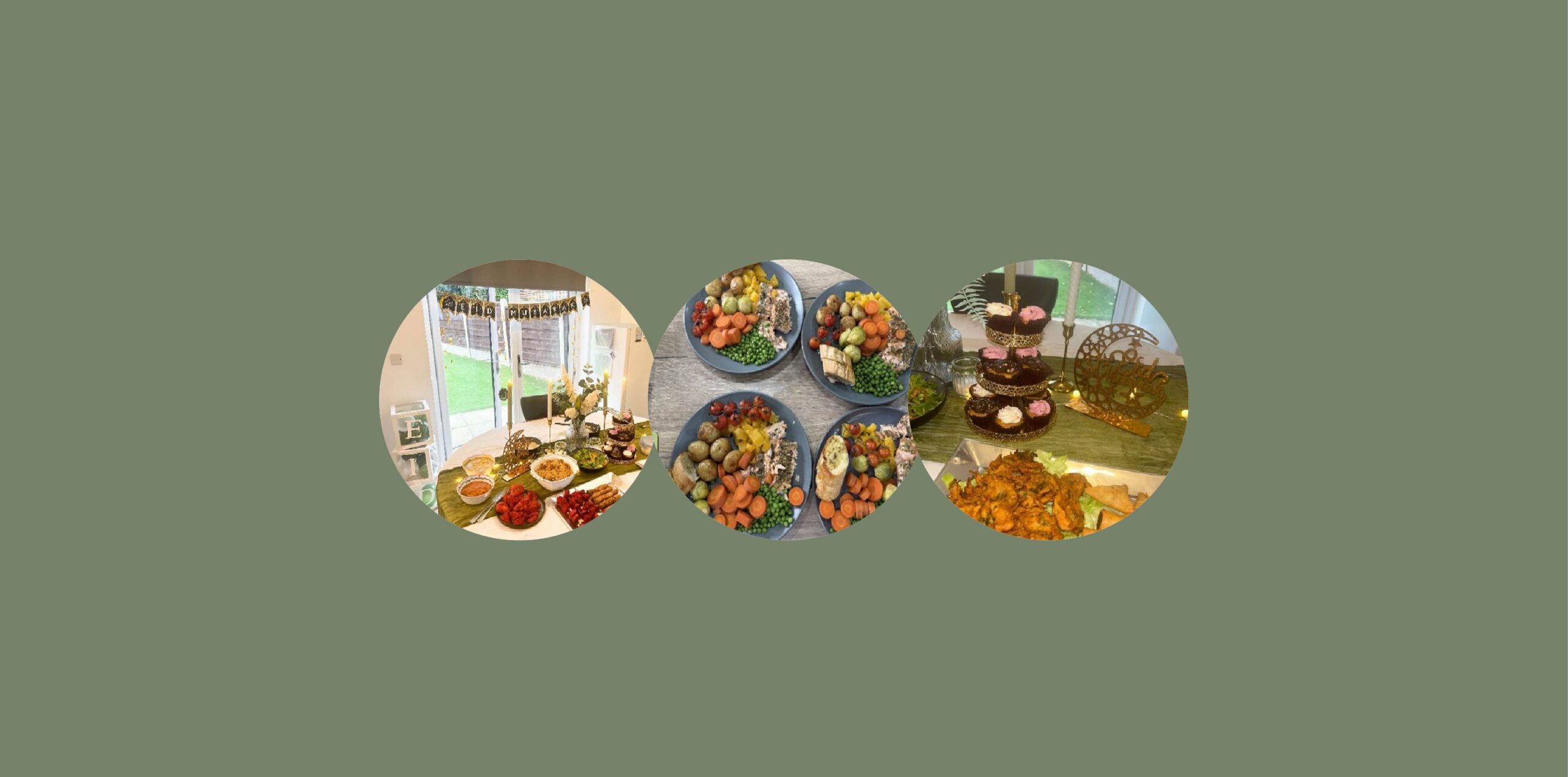
Food is also a powerful way to celebrate identity and explore culture. Introducing children to different cultural foods can open up new experiences and conversations, helping them feel included and curious about the world around them. For example, celebrating occasions like Eid with traditional foods can be a meaningful way to recognise and respect cultural and religious identities within the home – even for children who may not celebrate these occasions themselves, being part of these experiences can build respect.
It’s also important to avoid labelling foods as “good” or “bad.” For children who may already feel judged, this kind of language can add pressure or shame. Instead, focusing on balance and listening to their bodies helps create a more positive, relaxed approach to eating.
Staff play a huge role here. The way adults talk about food, their own eating habits, and how they respond to children’s behaviours all send powerful messages. Sometimes, what looks like a “food issue” is really about something deeper. As key workers, taking the time to understand what’s behind the behaviour makes all the difference.
Ultimately, helping children in residential care develop a healthy relationship with food is about more than nutrition. It’s about giving them a sense of security, helping them build independence, and showing them that they deserve care and healthy choices in every part of their lives, even something as simple as a meal. Learning that food can be safe, enjoyable, and shared might be one of the first steps towards healing, both physically and emotionally.