
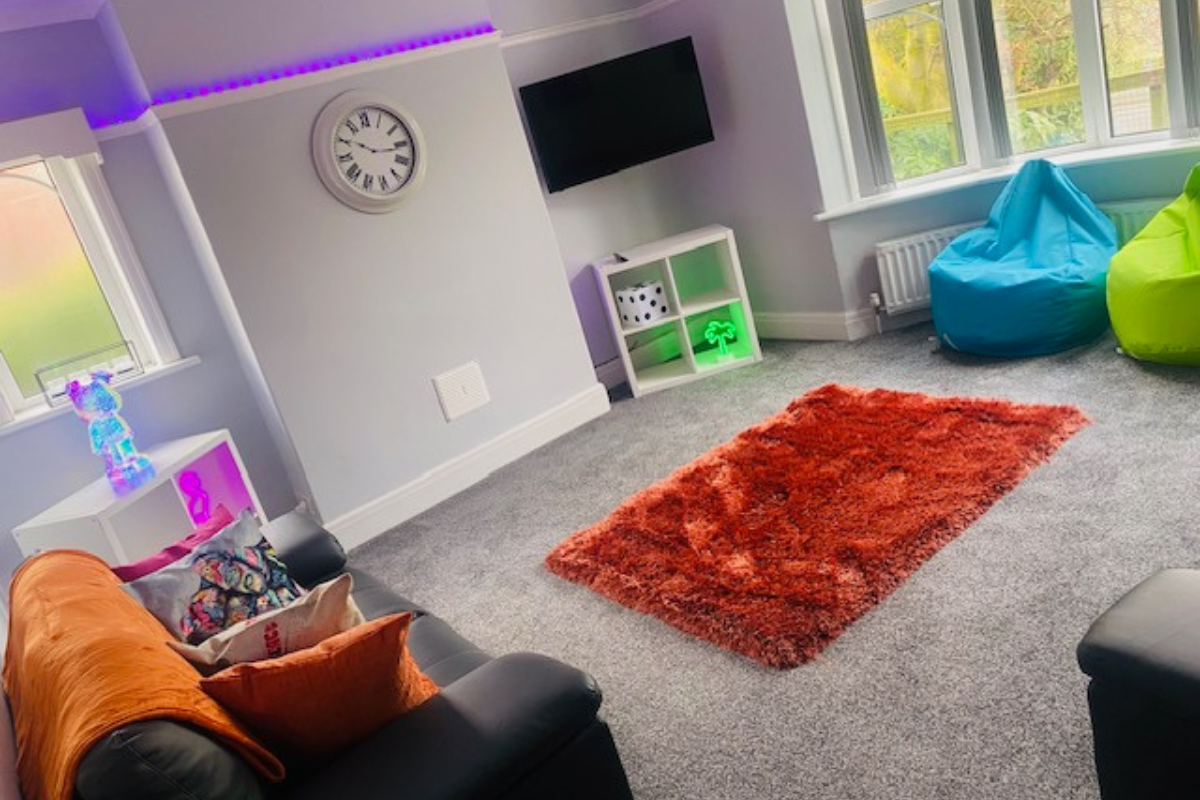
This week, we’ve spent time reflecting on key working after seeing a range of examples in practice across our residential children’s homes. It’s been a timely reminder that when key working is done well, it sits at the very centre of high-quality children’s residential care.
Effective key work provides children with something invaluable: a dependable adult. That consistency promotes stability, builds trust, and often becomes a pathway to long-term positive outcomes. At its best, key working is planned, reflective, and intentional, while remaining responsive to a child’s emotional state and lived experience.
For those of us working in, or considering careers in residential care , this relationship-based practice is often what gives the role its meaning and purpose.
The Role of the Key Worker in Children’s Residential Care
While all staff play a vital role in caring for children, the key worker offers something distinctive: continuity.
A key worker is the person who:
-
Knows the child beyond behaviour
-
Understands their history, triggers, strengths, and vulnerabilities
-
Advocates for the child’s voice and needs
-
Connects the wider team and external professionals
-
Holds the “bigger picture” of the child’s care plan
Within residential children’s homes, this consistent relationship can be grounding for children who may have experienced instability, loss, or trauma. It also supports staff in children’s care jobs to work in a way that is therapeutic, informed, and truly child-centred.
Key Work Is Not a Tick-Box Exercise
Good key working doesn’t happen by accident and it certainly isn’t just another task to tick off a to-do list. While structured sessions and planning are important, some of the most meaningful moments often happen informally.
A conversation during a walk, a shared activity, or a quiet check-in can be just as powerful as a planned session. As curious and therapeutic practitioners working in children’s residential care, we must listen, adapt, and tune into each child’s individual communication style. Every interaction is an opportunity to build trust and connection.
This approach is often what draws people to Jobs in Residential Children’s homes – the chance to make a genuine difference through everyday relationships.
The Importance of Recording and Reflection
Recording key work sessions is not simply administrative. Done well, it informs:
-
Care planning
-
Risk management
-
Identification of patterns
-
Measurement of progress
These records help teams across residential children’s homes reflect on what is working, where support is needed, and how each child is developing over time.
Measuring Progress — Big and Small
Progress in residential care is often gradual. It doesn’t always look like dramatic change, but it is there. We may see it in:
-
Improved emotional regulation
-
Reduced incidents
-
Increased engagement in routines and education
-
Stronger relationships with staff
-
Clearer communication
Not every step forward will be a leap and that’s okay. Small changes matter. They should be recorded, recognised, and celebrated, as they often reflect deeper shifts in safety, trust, and emotional wellbeing.
Leading With Pride in Residential Care
This reflection has reminded us that key work is not just a scheduled session, it’s an approach we should prioritise and lead with pride. It is embedded in the daily experience of safety, trust, and meaningful connection that helps children heal and thrive.
High-quality key working doesn’t just change children’s lives, it also shapes fulfilling careers in residential children’s homes , built on purpose, professional development, and strong relationships.
We’d be keen to hear about any innovative or creative approaches to key working that teams are developing in practice. Sharing what works helps us all continue to learn, reflect, and strengthen children’s residential care together.
We also believe that reflective practice is strengthened when it’s shared. We’ll be continuing this conversation on LinkedIn, where we’re inviting professionals across residential children’s homes and children’s residential care to share their experiences, ideas, and innovative approaches to key working.
If you work in residential care, or are exploring careers in residential children’s homes we’d love you to join the discussion.
👉 Join the conversation on LinkedIn key working conversation